The year 2026 opened with a clear message: the game is no longer ‘crypto versus traditional finance’, but ‘crypto within traditional finance’. The most explicit signal came from Tether, which announced the official launch of USA₮ (ticker USAT), a dollar-anchored stablecoin designed to operate in the US market within the new federal framework provided by the GENIUS Act. This move is far from cosmetic: for years USDT has been the de facto industry standard, but it was not born under a US federal regulatory regime and was not distributed directly by Tether to US users. With USAT, however, the company builds a ‘made for America’ product, with a regulated bank issuer and a custody and distribution chain that speaks the language of Washington, not that of offshore havens.
The structure chosen is indicative of how much the industry is maturing. USAT is issued by Anchorage Digital Bank, a US federal bank, while Cantor Fitzgerald serves as reserve custodian and ‘preferred primary dealer’, a figure that reinforces the idea of more institutionalised and market-readable management. Tether also appointed Bo Hines, former Executive Director of the White House Crypto Council, as CEO of the Tether USA₮ unit, a political detail that weighs as much as a technical partnership. And the debut did not remain on paper: in the first phase, USAT was made available through platforms and partners such as Bybit, Crypto.com, Kraken, OKX and MoonPay, signalling a willingness to launch with immediate distribution.
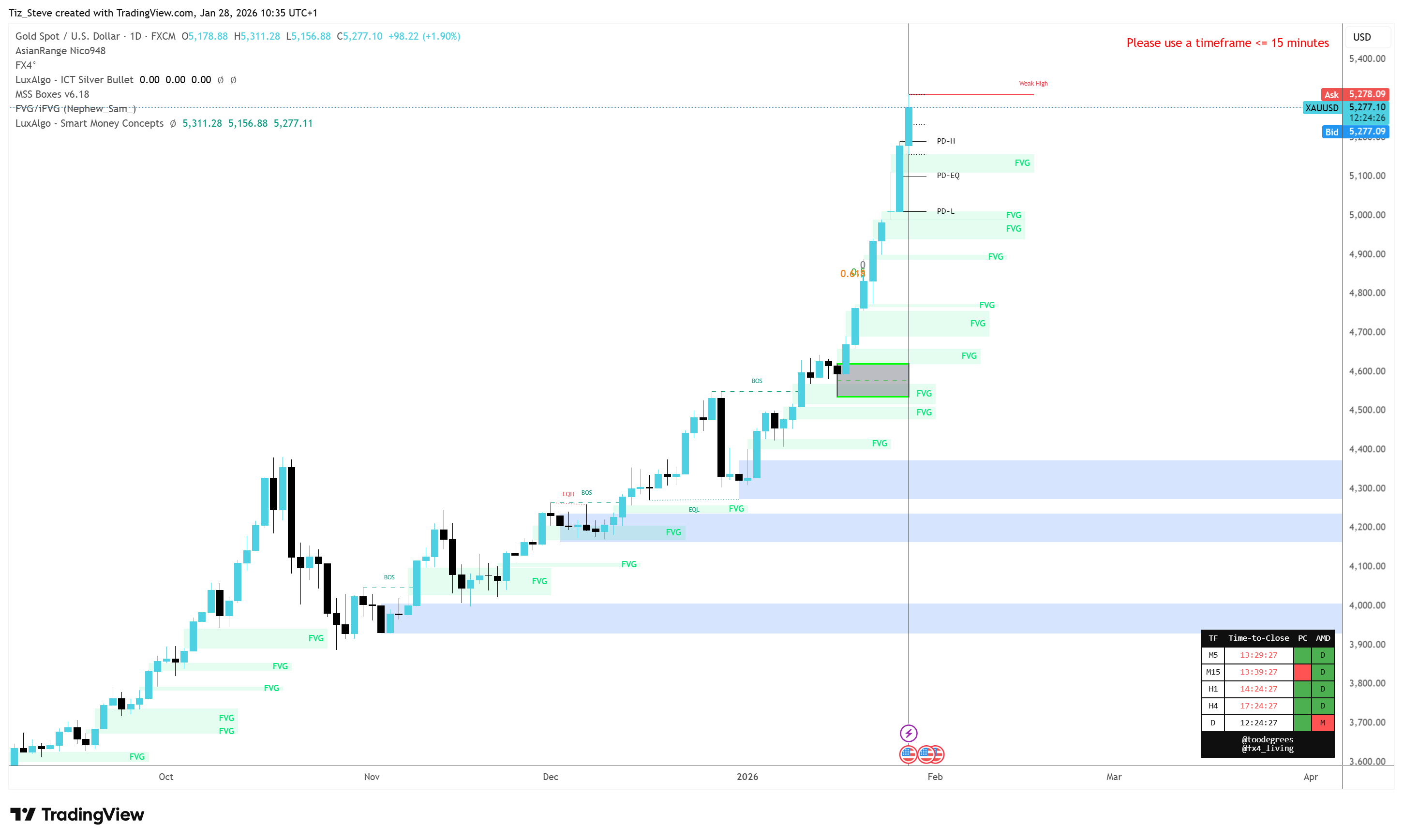
If this news is the ‘big one’, the macro context is the counter-field that makes everything tense. On the one hand,Gold above $5,000 has become a symbol of distrust in fiat systems and, paradoxically, a narrative assist for the crypto industry: when institutions look for non-sovereign assets, Bitcoin ‘s original promise becomes intuitive again. Matt Hougan, CIO of Bitwise, linked the gold rally to the demand for instruments ‘beyond state control’ and reminded that, without regulatory clarity, the industry could enter a multi-year ‘show me’ phase, where expectations count less and real utility more. In other words: either a workable law comes along, or crypto will have to prove in the field that it is indispensable, not just interesting.
This is where the Clarity Act comes in as a binary variable. Hougan argues that approval could trigger a net recovery because investors would finally price more linear trajectories for stablecoin and tokenization. Conversely, a failure could slow everything down and shift the centre of gravity from hype to construction, forcing projects and companies to scale adoption like any other fintech: customer after customer, integration after integration. And in this scenario, USAT is not just a stablecoin: it is an attempt to make institutional demand ‘comfortable’ by eliminating alibis and grey areas.
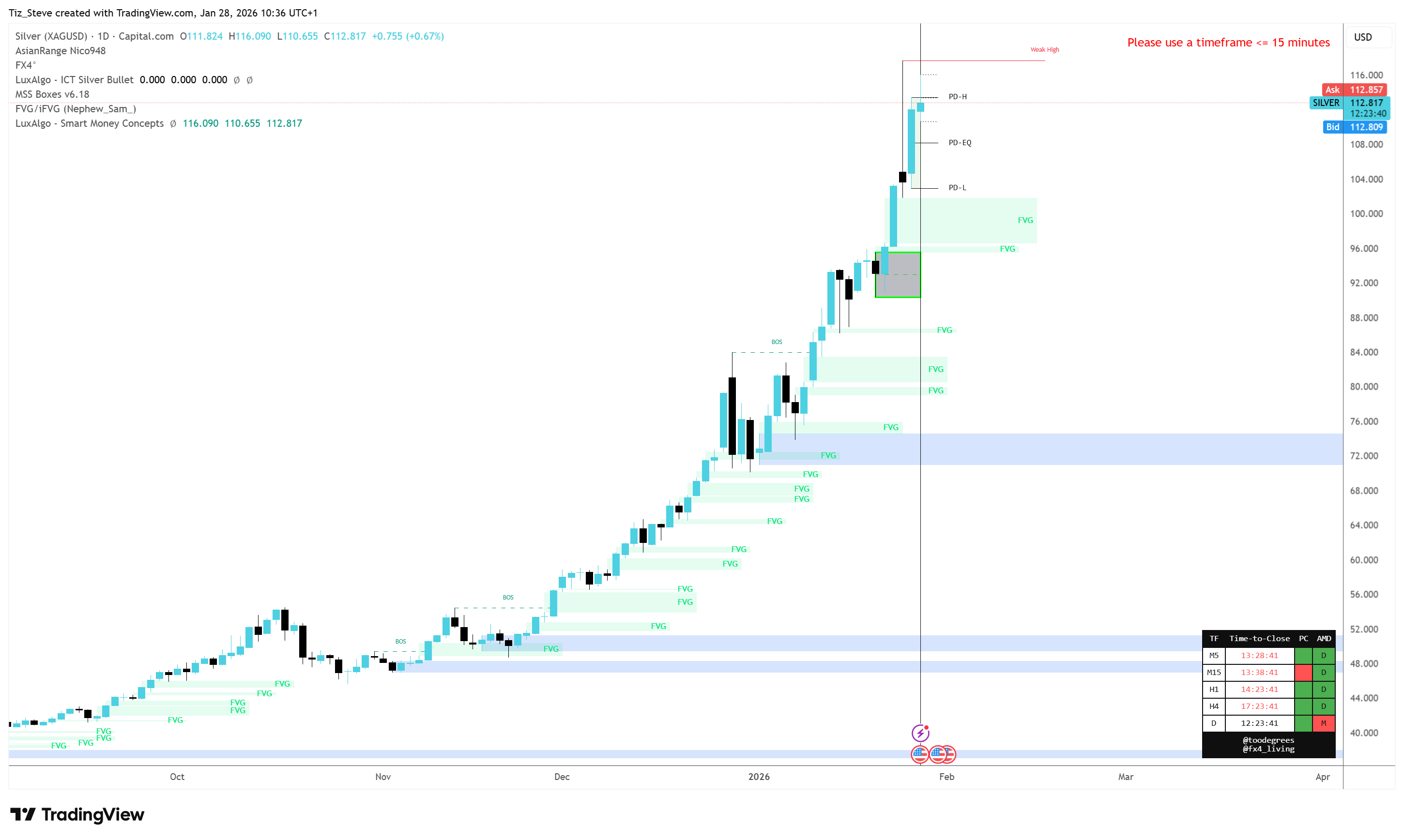
Meanwhile, it is not just gold that steals the show.Silver surpassed $115 an ounce and related ETFs recorded an explosive day of trading: the iShares Silver Trust (SLV) touched more than $32 billion in value traded, becoming for a moment the most traded security in the world. The mechanism is the classic market mechanism: momentum, psychological levels and retail participation, plus an industry component linked to technology demand. In this ‘risk-off’ climate, crypto is also paying the price: outflows from spot ETFs on Bitcoin and difficulty in regaining momentum. It is an uncomfortable but useful reminder: when metals run like this, it is not because people are suddenly romantic, it is because they are afraid.
And here the connection to Ethereum is more direct than it seems. If USAT normalises the use of the on-chain dollar and makes it easier for TradFi to enter without friction, then the choice of infrastructure becomes strategic: liquidity, compliance, settlement and interoperability stop being conference words and become KPIs. In a world where metals signal distrust and laws hang in the balance, the ‘regulated’ stablecoin is the perfect Trojan horse: it doesn’t make noise like a new ATH, but it moves capital and habits.
The truth is that Tether is not ‘following’ regulation: it is using it as a competitive lever. And if USAT works, the rest of the market will have to choose sides quickly: with ideology or with adoption.