
Technological innovation is a ruthless arena, where every Apple announcement unleashes a whirlwind of praise and criticism. Every year, with the arrival of a new iOS, the script repeats itself: the bitten apple launches updates that promise to revolutionise everyday life, but a host of detractors is ready to cry decline. “Where has Steve Jobs‘ vision gone?” they ask in chorus, evoking a golden age when the iPhone redesigned the world. Yet, with iOS 26, Apple is not limiting itself to cosmetic touches. We are talking about an operating system that integrates artificial intelligence in concrete ways, making the user experience more intuitive and accessible.
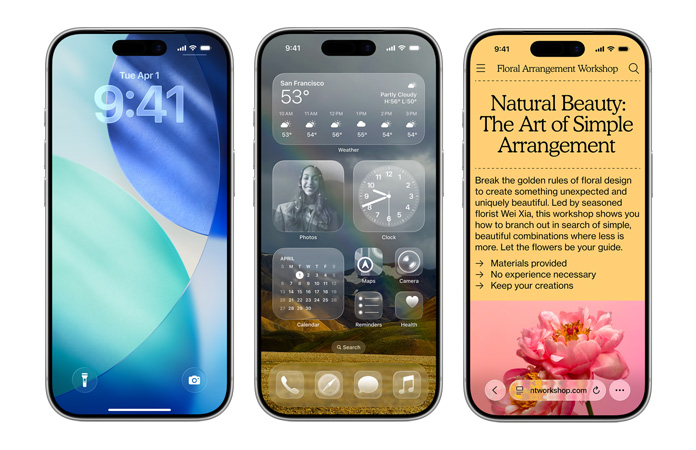
But there is no shortage of criticism, and it often seems sane only on the surface. Many articles lament Jobs, accusing Tim Cook of turning Apple into a conservative company, incapable of revolutionary leaps after the iPhone. “It’s just an incremental evolution,” they say, pointing the finger at updates that, in their view, do not change the paradigm. Yet, digging into iOS 26, gems emerge that belie this narrative. Integrations with Apple Intelligence, for example, allow Reminders to suggest tasks based on email and text, categorising lists into intelligent sections. The Camera evolves with high quality audio recording during calls, and AirPods become remote for HD video. Even the Journal app gets multiple journals, geolocalised maps and inline pictures, while CarPlay improves connectivity behind the wheel. Are these the ‘real innovations’ that critics underestimate? Or is it just clever marketing masking stagnant innovation? In reality, Apple is navigating a post-Jobs era with pragmatism, focusing on integrated ecosystems rather than isolated gadgets. Criticism is easy, but to ignore how these updates improve the lives of millions, from family security with enhanced parental controls to 3D space photography, is to lose sight of real progress.
And this is where AI comes in, an ideal bridge to the second theme: Google ‘s triumph with Gemini Nano Banana, the image editor that, according to recent reports, has overtaken ChatGPT in popularity and functionality. Banana is not just a tool for retouching photos with surreal bananas; it is an example of how AI is becoming accessible on mobile devices, thanks to lightweight models like Gemini Nano. Google has turned a playful idea into a powerful tool, capable of generating creative images with simple prompts, beating rivals like OpenAI in terms of user engagement. But is it really a momentous innovation, or just a move in a war between giants for leadership? AI promises worlds: assistants that think, create, solve. Yet much of the buzz on social exaggerates, painting AI as an unnatural superpower, when it is often just an algorithm optimised for specific tasks. Banana excels at visual editing, but it does not revolutionise existence; it is a piece in a neighbourhood fight, where Google, Apple and others vie for data and user loyalty.
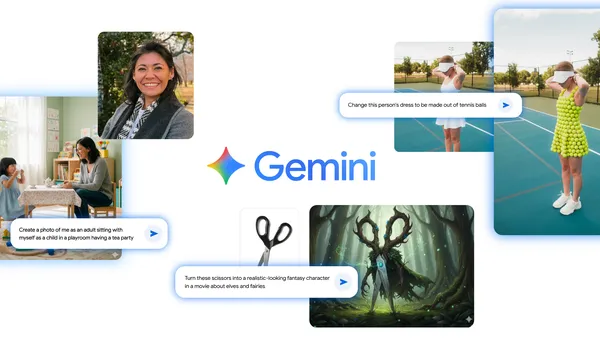
Think about it: Apple infuses AI into iOS for smart reminders and spatial photos, while Google pushes Banana to democratise creativity. Both moves are victims of hype masking corporate battles. AI is not the omnipotent saviour extolled online; it is a tool, powerful yes, but limited by the commercial ambitions of its creators.
In the end, in this tech circus, innovation does not die with a founder; it reinvents itself amid criticism and bold leaps. And if detractors continue to mourn Jobs, perhaps it is because they fear that AI, with its Banana and iOS, is leading us into a future where machines innovate more than humans.
And that, friends, is the real twist that no one wants to admit.