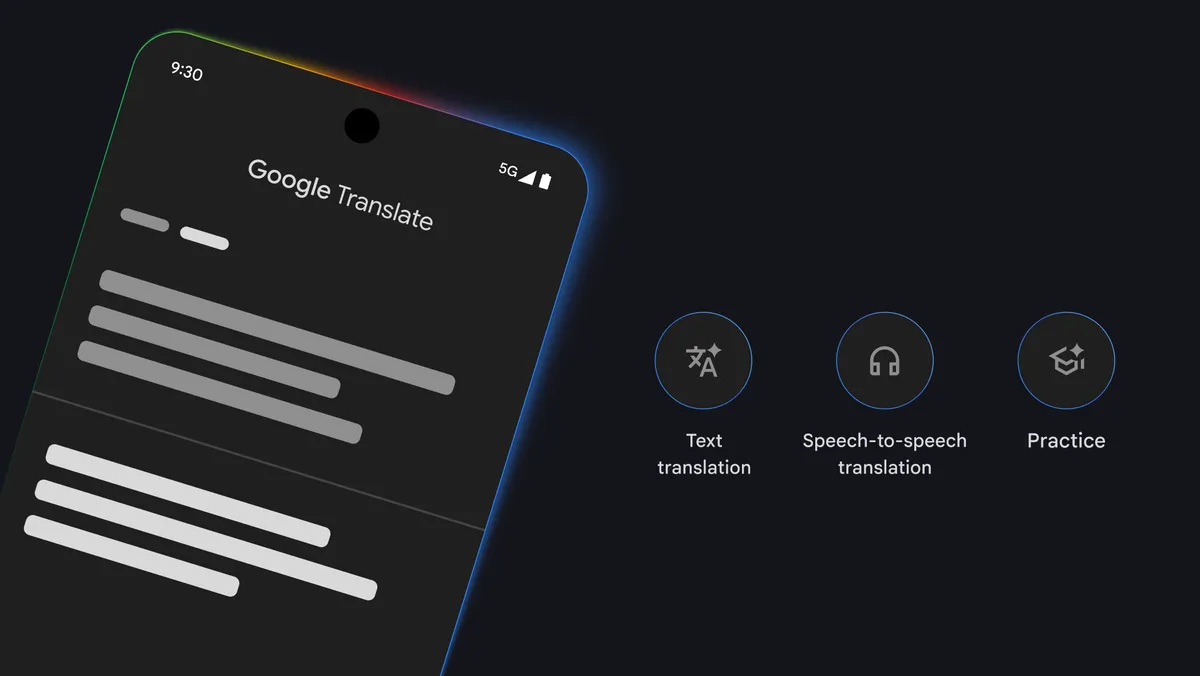
The evolution of machine translation has just taken what we might call a quantum leap, finally abandoning the era of mechanical word-for-word transposition to embrace deep semantic understanding. Google has announced a massive upgrade to its search and translation capabilities, integrating Gemini’s advanced models directly into the core of its ecosystem. We are not talking about a simple restyling of Google Translate, but a structural rethinking of the way machines interpret human language, especially when it comes to bridging the gap between different cultures through the search bar.
Until yesterday, searching for the meaning of an idiomatic phrase or attempting to translate a complex concept often led to literal, sometimes comical results, almost always lacking the context necessary for true understanding. With Gemini’s injection of technology, Google Search now not only converts words from one language to another, but acts as an intelligent cultural mediator. The system is able to analyse the intent behind the query, recognising whether the user is trying to understand a local slang, a technical term or a colloquial phrase that changes meaning according to geographical region. This sensitivity to context is the real battleground of generative artificial intelligence, and Mountain View is clearly flexing its muscles to prove that its knowledge database, coupled with the computing power of its LLMs, is unrivalled.
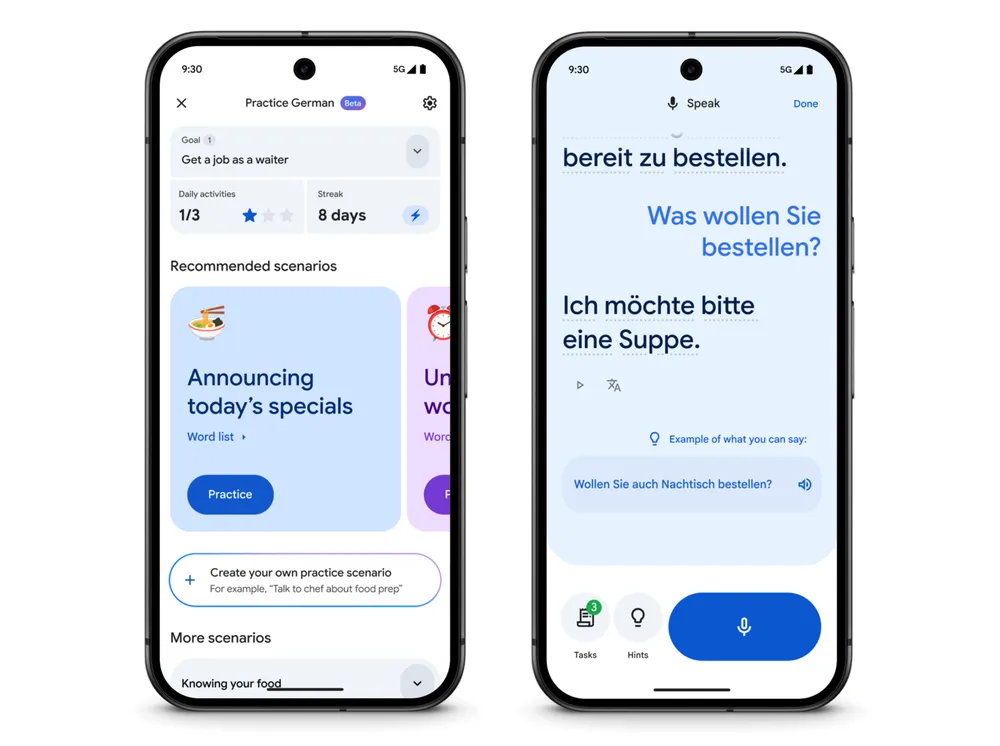
The impact of this update is most tangible in the management of nuances. A word that in Spanish might have three different meanings depending on whether one is in Spain, Mexico or Argentina, is now decoded with surgical precision, providing the user not only with the translation, but also with relevant usage examples and contextual variations. It is the end of the ambiguity that has plagued digital translators for decades. In addition, this integration makes the search experience much smoother: the user no longer has to jump from tab to tab or open dedicated apps to decipher a foreign text, as Gemini’s intelligence permeates the search results offering discursive and natural explanations, almost as if one were asking a bilingual native speaker sitting next to one.
This strategic move by Google is not just a technical improvement, but a direct response to the growing competition in the field of linguistic AI, where players such as DeepL and OpenAI itself have raised the bar considerably. However, Google’s strength lies in the ubiquity of its search engine. By bringing these advanced capabilities directly into the SERP, Google democratises access to higher-level translation, making it invisible and immediate. We are no longer ‘using a translator’, we are simply accessing global information without the distorting filter of language.
For the full native integration in Italian, we will have to wait for the global rollout to reach our market as well, which usually happens in the weeks or months following the US launch, which took place in these very days.
Here is the original source: https://blog.google/products/search/gemini-capabilities-translation-upgrades/