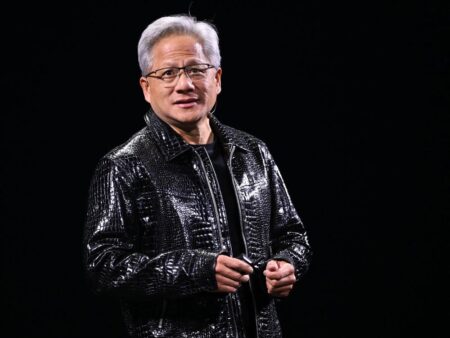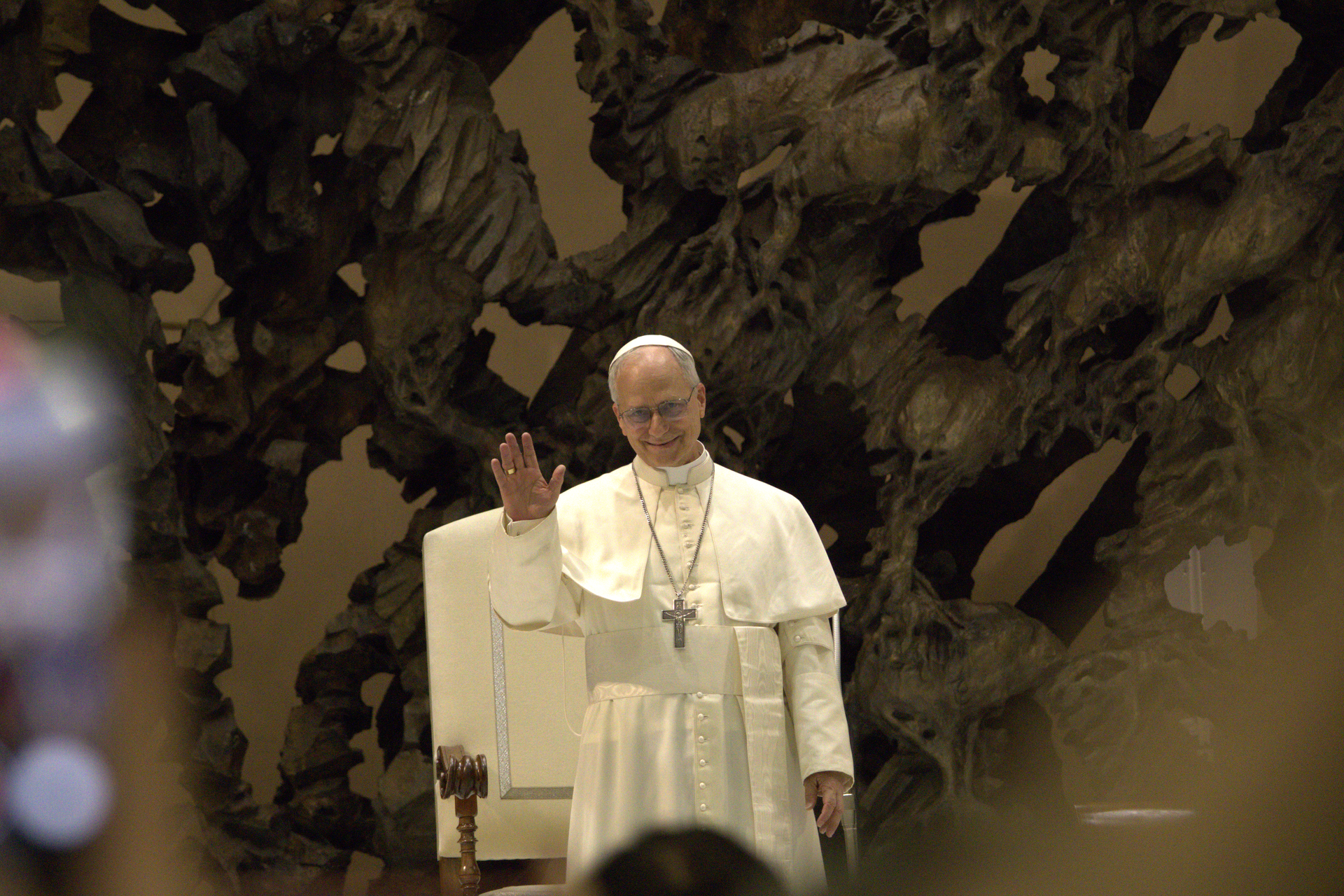
In the midst of the global race for artificial intelligence, a signal comes from the Vatican that no government or Big Tech can afford to dismiss as folklore. Pope Leo XIV presented his first encyclical, Magnifica Humanitas, dedicated to human dignity in the age of AI, and he did so alongside Christopher Olah, co-founder of Anthropic, in a scene that weighs as much as the document itself: the future of algorithms no longer only concerns laboratories, but invests politics, labour, education and even the very idea of the person. For those who observe the sector with technical eyes, the message is very clear: the season of innovation without an ethical framework is coming to an end.
The text, as presented, does not demonise technology. On the contrary, it recognises that technical tools can expand human freedom, alleviate concrete suffering and respond to real needs. But the heart of the intervention is another: the criticism of a culture of power that risks measuring the value of people on the basis of utility, efficiency and the ability to be processed as data. It is here that the encyclical strikes the raw nerve of our time, because it describes an ecosystem in which platforms, models and infrastructures are never neutral, but incorporate worldviews, hierarchies and economic interests.
The most interesting part, however, is perhaps the intended short-circuit between moral authority and the AI industry. Olah has publicly admitted that every frontier lab, including Anthropic, operates within incentives that may conflict with what is right to do. It is a statement that is worth its weight in gold in the technology world, because it breaks the reassuring rhetoric of self-regulation. If even those who build these systems recognise the weight of commercial, geopolitical and personal pressure, then it becomes clear that credible countervailing powers are needed: institutions, civil society, independent research and critical culture.
No less relevant is the passage in which Olah describes AI models as systems that are ‘grown’ rather than designed piece by piece, thus partly mysterious even to those who develop them. When he adds that structures emerge in the models that resemble neuroscience findings and internal states that functionally resemble joy, fear, pain or restlessness, he is not saying that machines are people. He is saying something more uncomfortable: we are building very powerful tools that we do not fully understand, and yet we continue to bring them into the centre of public life.
That is why the strongest formula used by Pope Leo XIV deserves attention: artificial intelligence, he said, “must be disarmed”. This does not mean shutting down the servers or stopping research, but removing AI from the logic of domination, exclusion and death, exactly as has been demanded for decades for other technologies capable of redefining the balance of power. Translated into the language of industry, it means bringing transparency, accountability, freedom of choice, protection of workers and fairer distribution of benefits back to the centre.
This is where the Vatican, like it or not, enters the global debate with a move more modern than many Western democracies: it reminds us that the decisive question is not how much AI can do, but what it is doing with us. And when even Silicon Valley agrees to sit at that table, the message is brutal and clear: the real risk is not that machines will become human, but that humans will adapt too willingly to reason like machines.