



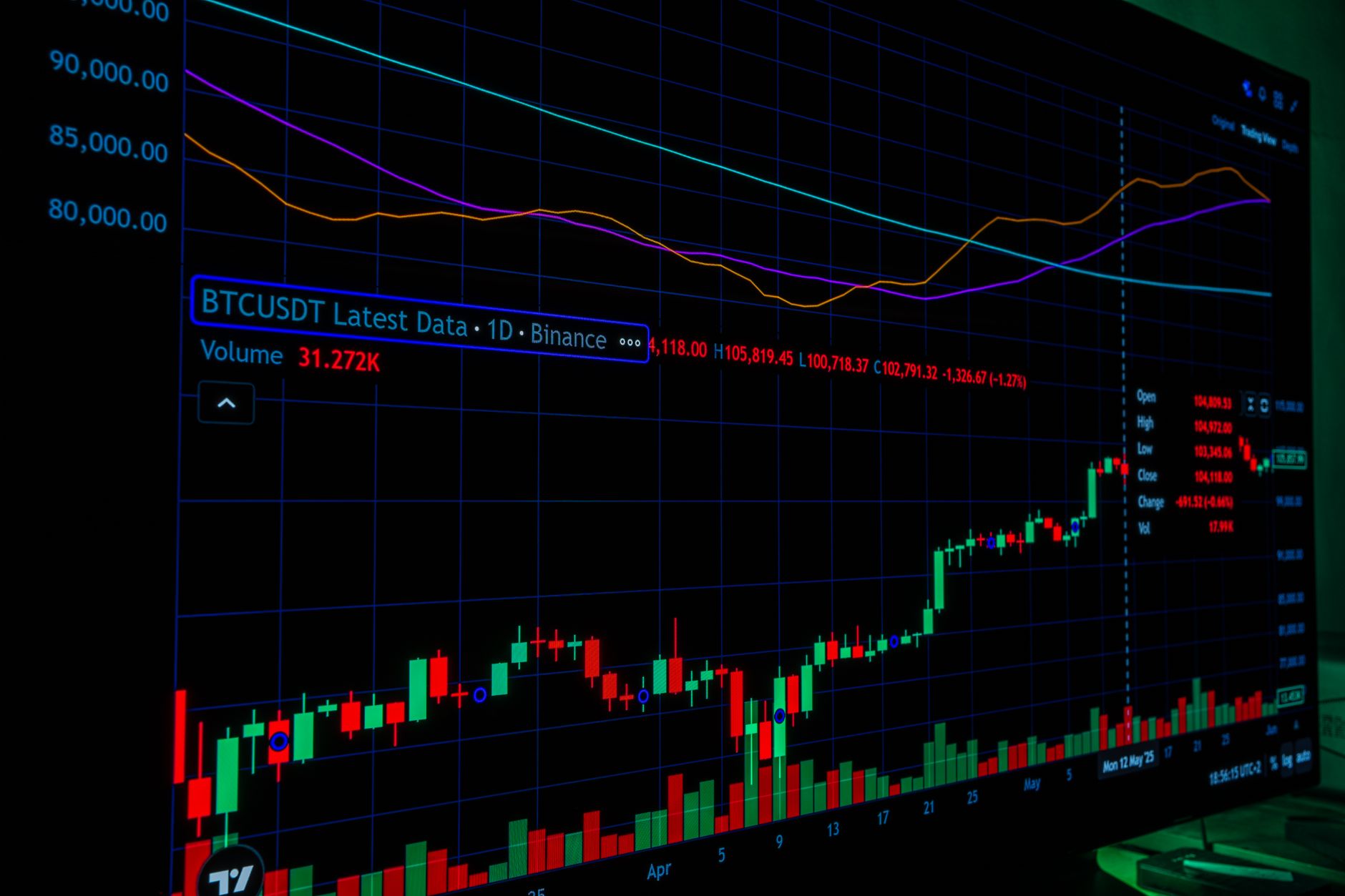
The new trading week got off to a positive start for Bitcoin and Ethereum, in a market that reacted to the US inflation figures without any major surprises. Whilst the Consumer Price Index rose, driven by energy costs, traders noted that the core figure – that is, the figure stripped of the most volatile components – remained on a downward trend. This has reignited investor interest in digital assets, which have historically been sensitive to the Federal Reserve’s decisions.
Over the past few weeks, both cryptocurrencies have been the focus of renewed attention from analysts, who continue to highlight the resilience of their prices despite a macroeconomic landscape characterised by constant change. Trading in Bitcoin has picked up again, supported in part by Ethereum’s gradual recovery, against a backdrop that remains tense due to numerous factors of global uncertainty.
According to Lewis Huang of Bitget, the divergence between the headline inflation figure—which was primarily driven by rising energy prices—and the core inflation figure has offered some relief to the crypto markets, at least in the short term. Institutional investors appear cautious, whilst industry players are closely monitoring the Fed’s moves, awaiting possible signals regarding future monetary policy strategies. Some investors have resumed building up positions in the major cryptocurrencies, convinced that this period of uncertainty is beginning to show signs of stabilising.
The movements of Bitcoin and Ethereum confirm a well-established trend: digital currencies are proving to be sensitive barometers of global sentiment and risk appetite. In particular, Ethereum is attempting a recovery after several weeks of underperformance relative to Bitcoin, with an increase in trading volume that could herald new rotations within the sector. Many are looking to the Fed’s next policy update as a potential catalyst for further movements.
Ultimately, those seeking certainty in the movements of Bitcoin and Ethereum risk chasing mirages: volatility remains high and every release of macroeconomic data is viewed as a test, rather than a solution. Should the new interest rate cycle restore confidence to the crypto markets as well, this turnaround could come as a surprise, particularly to those who, even today, continue to underestimate cryptocurrencies’ ability to adapt to sudden changes in the global financial system.


