



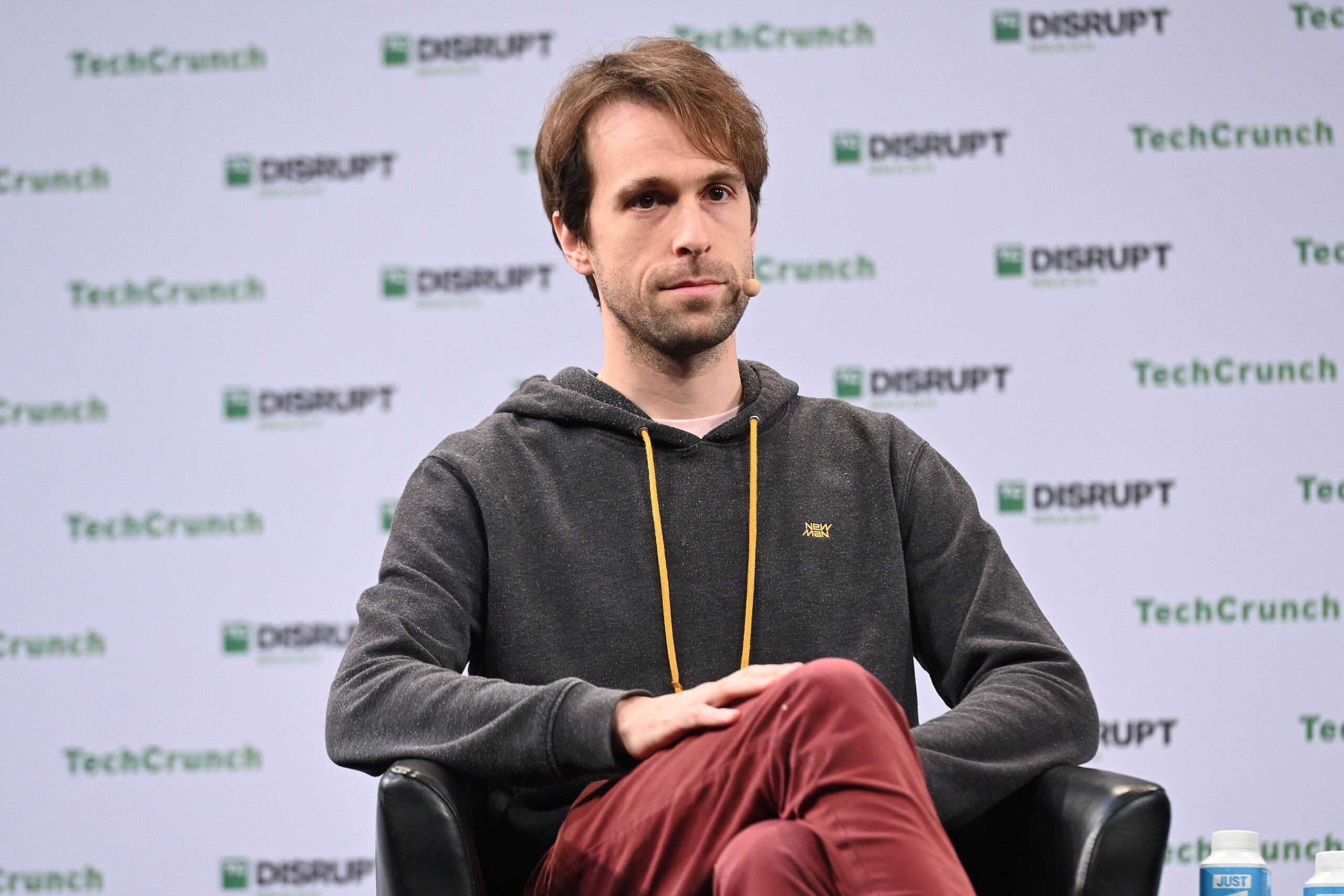
Justin Drake, a researcher at the Ethereum Foundation, has called on the cryptocurrency industry to start planning for what he calls ‘bunker mode’ – a pre-emptive defence strategy against the risk that the digital signatures underpinning Bitcoin and Ethereum might fail sooner than expected. “Today I am calling on the blockchain industry to calmly begin planning for ‘bunker mode’,” he wrote on X on 7 October. The caveat, however, is equally clear: Drake is not claiming that the current cryptography has already been breached, and no such attack has been demonstrated. Furthermore, this is his personal recommendation, not an official position of the Foundation.
The concern centres on ECDSA, the algorithm used by Bitcoin and Ethereum to verify that a transaction has been authorised by the holder of the private key. The point, Drake explains, is not just quantum computing: advances in artificial intelligence could lead to a non-quantum method of breaking elliptic curve cryptography before the so-called ‘q-day’. ‘Elliptic curves seem particularly vulnerable to superintelligence,’ he wrote, citing as a worst-case scenario a possible attack ‘within months, not years’, capable of recovering a private key in about a week using a large number of GPUs. The warning comes following the 722 mathematical results published on Tuesday by OpenAI and generated by an in-house model.
To reduce exposure, Drake proposes gradually moving the majority of funds to new addresses that have never signed a transaction, so that the public key remains hidden behind a hash. Large holders should be the first to act, and after each signature, any remaining funds should also be transferred to another address, as the public key becomes visible with the first transaction. Drake urges people not to panic, however: hasty transfers could do more harm than good. He also calls on Binance, Bitbank, Robinhood, Bitfinex and Tether to strengthen the security of their cold storage and promises to push for ‘maximum defensive acceleration’.
For the market, the issue primarily concerns Bitcoin. Drake refers to‘Satoshi’s shield’: around 20,000 exposed addresses, attributed to Satoshi Nakamoto and each holding 50 BTC, would be among an attacker’s primary targets, offering partial cover for wallets holding less than 50 BTC. To gauge one’s level of exposure, there is Project Eleven’s Bitcoin Risq List, which tracks addresses with funds and public keys that are already visible. On Ethereum, the current guidance remains reassuring: quantum computers cannot currently breach the network’s cryptography and users do not need to take any action, whilst the draft roadmap is already focusing on hash-based cryptography and formal verification.
There is something ironic about an industry born to do away with the need for trust, which now has to decide how much to trust a warning without evidence. Drake has not demonstrated any attack, and that is precisely the point: cryptography holds up until someone finds a way to break it, and usually whoever does find a way does not announce it on X. If he is wrong, we will have paid a few transaction fees for nothing. If he is right, we will discover that the worst possible time to realise this is when the attack is already underway.
Photo: Justin Drake at TechCrunch Disrupt Berlin 2019, TechCrunch (Noam Galai/Getty Images for TechCrunch), CC BY 2.0, via Wikimedia Commons.



.jpg)