
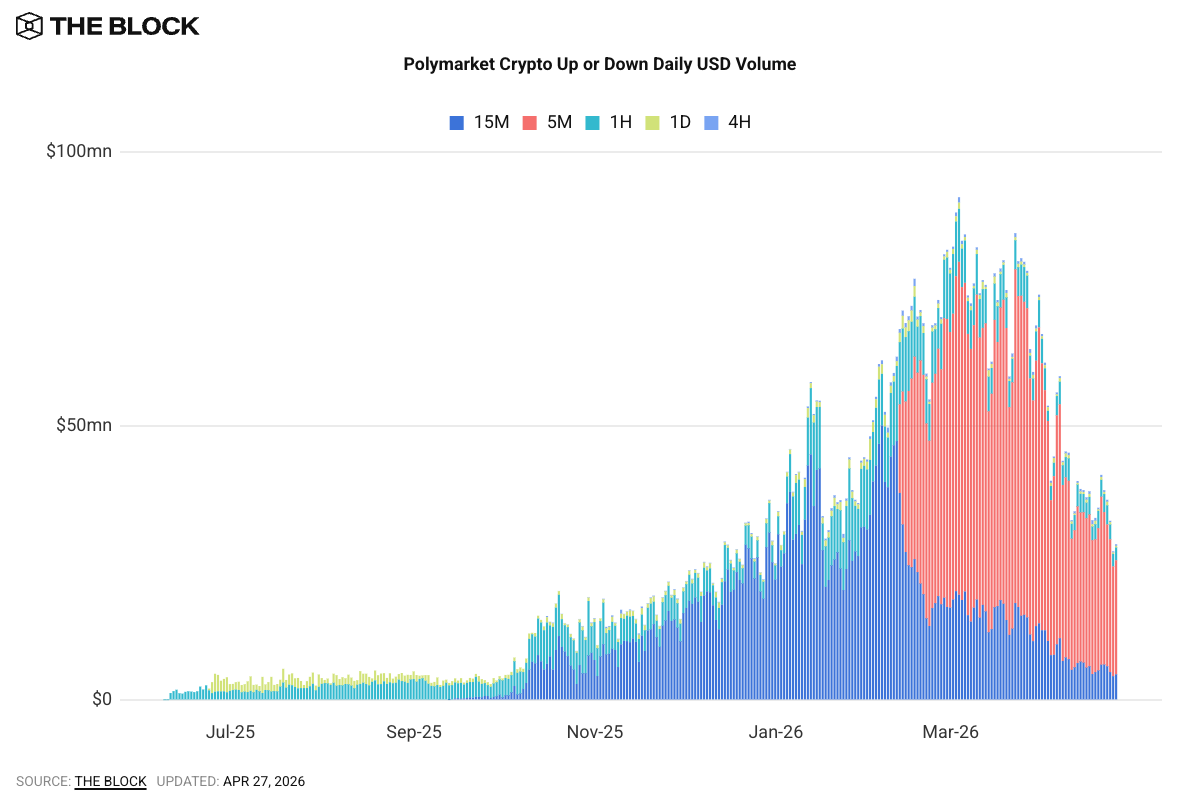
The crypto market is undergoing a silent but profound transition, where liquidity flows are shifting from speculative to more structured channels. Polymarket is the most obvious example of this: crypto trading volume has plummeted 58% to below USD 240 million per week, but average daily commissions have reached USD 1.07 million, tripling since the end of March. The introduction of taker fees at the beginning of January did not stop the initial growth, but the real scrap came with the upgrading of the taker rate from 0.37% to 2.65%, which wiped out the profitability of high-frequency strategies in bullish/short markets. The result is a paradigm shift from a volume-based business to one centred on margins, with projected monthly revenues of 32 million versus 9 million pre-ajustment.
If Polymarket represents the maturation of prediction markets, the rebalancing of stablecoins tells a story of crisis and opportunity. USDT‘s supply hit an all-time high of $190bn, with $3bn minted in a single week after the $13bn DeFi TVL collapse triggered by the Kelp DAO exploit. While USDe lost 33% and PYUSD 17%, Tether absorbed the net inflows, which translated into about 130 million additional annual revenue at the risk-free rate of 4.3%. It is a classic cycle: when DeFi shakes, the larger digital dollar becomes the safe haven, and the issuer gains a structural advantage over Bitcoin and Ethereum.
In parallel, crypto PACs confirm themselves as a political war machine. Fairshake, backed by Coinbase, Ripple and a16z, raised $394.68 million for the 2024-2026 cycles, with $130 million spent on the House and Senate. This capital has produced concrete results: the GENIUS Act of July 2025 for stablecoins and the CLARITY Act passed in the House, now in the Senate. With the 2026 midterms coming up, the industry has an immense reserve to spend, turning lobbying into strategic leverage.
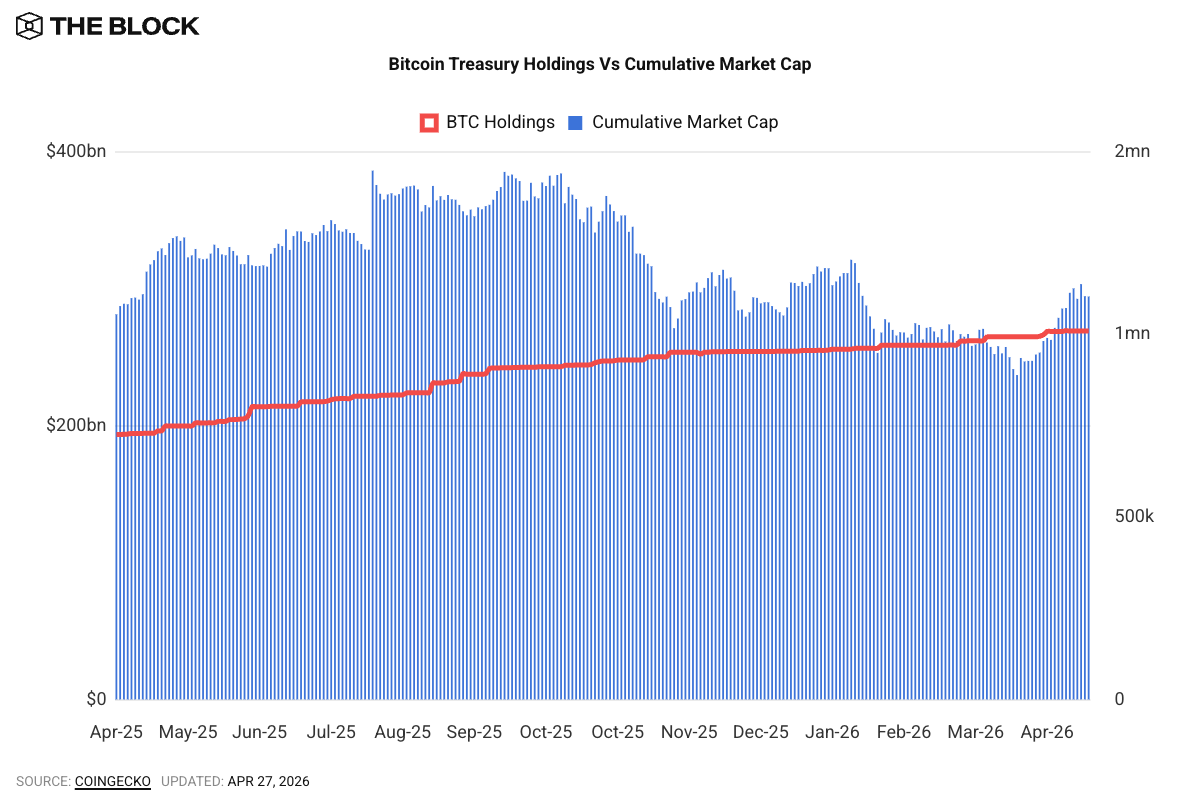
Finally, corporate treasuries now hold 1.13 million BTC, roughly 1 in 21 in circulation, with MicroStrategy at 815,000 BTC and spot ETFs at 1.6 million. This linear accumulation reduces the available float, amplifying volatility.
What emerges is a crypto market that is less and less speculative and increasingly adult: Polymarket learns to monetise without inflating volumes, Tether capitalises on the DeFi panic, PACs buy legislative influence and companies accumulate Bitcoin as if it were digital gold. It is a cycle that reduces free supply, raises margins and shifts power from retail traders to institutional players. If this is maturity, then get ready: it’s no longer the Wild West, it’s Wall Street with blockchain under the rug. And the game just got a lot more expensive for those without a seat at the table.